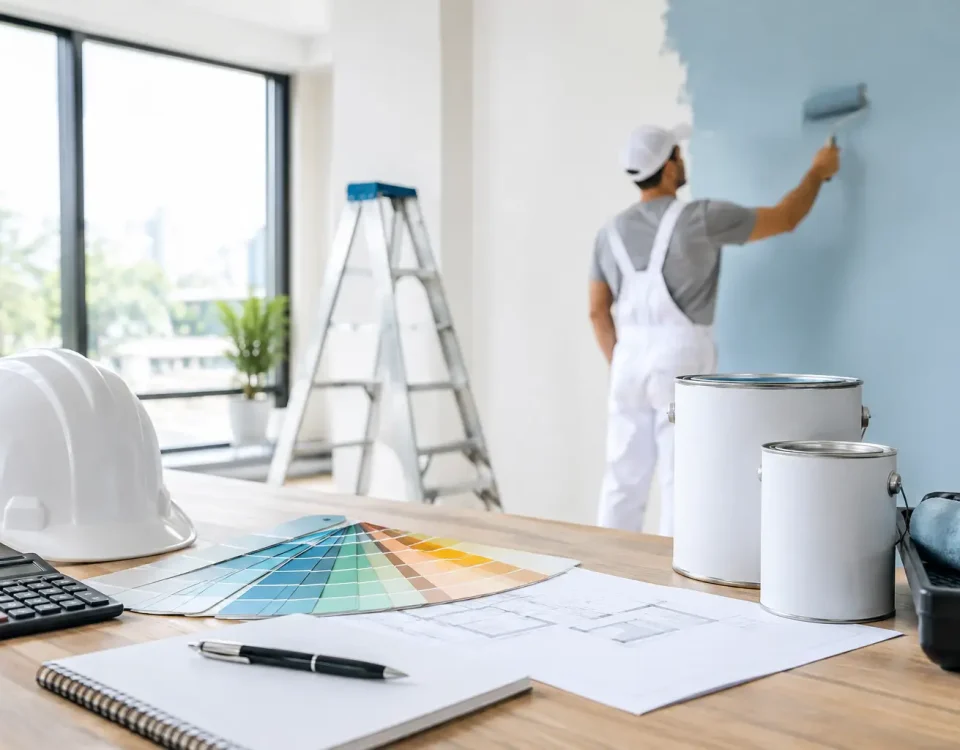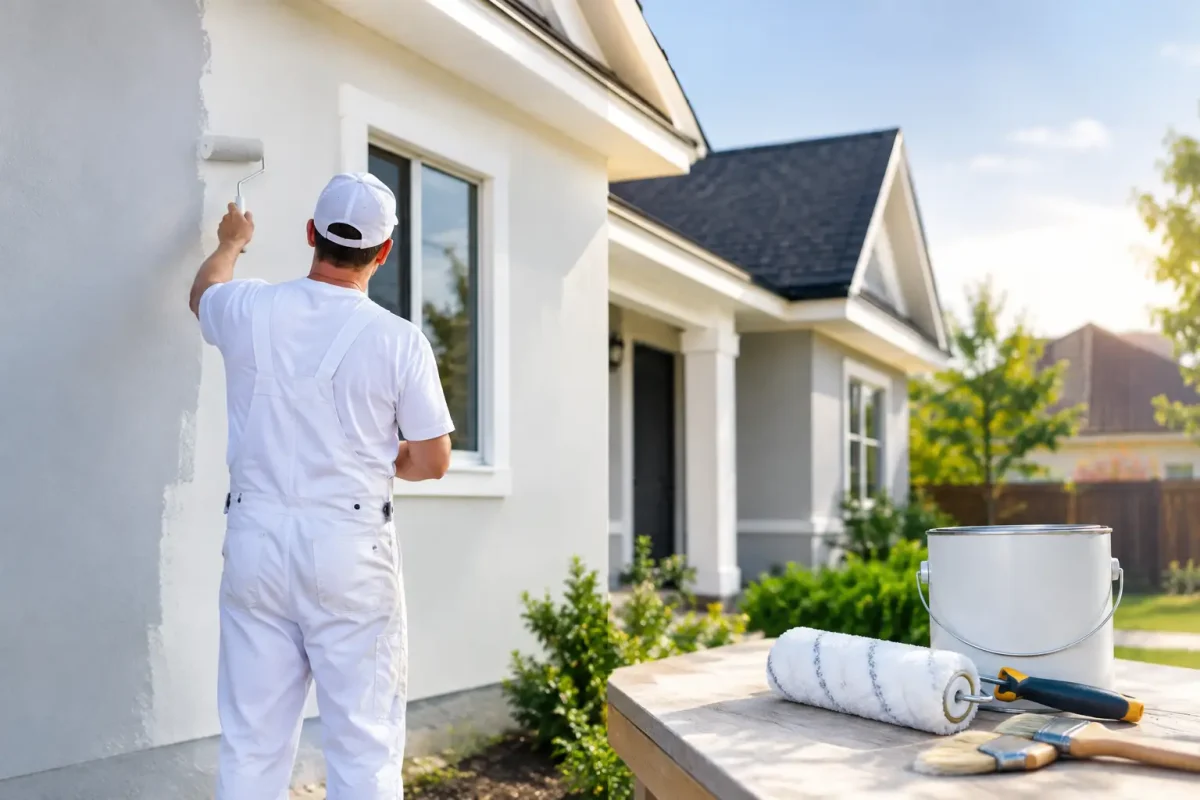
A tired exterior, scuffed corridors or dated colour scheme can make a well-located property feel neglected before anyone has inspected the roof, services or floorplan. So, does repainting increase property value? In many cases, yes – but the return comes from more than applying a fresh coat of paint. It comes from presenting the building as cared for, reducing visible maintenance risk and selecting a finish that suits the property, its users and its market.
For commercial owners, strata stakeholders and facilities managers, repainting can also protect an asset’s ability to attract and retain tenants. For homeowners, it can improve buyer confidence and help a property compare well at inspection. The key is to treat painting as a planned asset-maintenance decision, not a cosmetic shortcut.
Does repainting increase property value in practice?
Repainting can increase a property’s perceived value and, in the right circumstances, its sale price or rental appeal. Buyers and tenants often make a judgement within seconds of arrival. Peeling coatings, stained walls, faded fascias and mismatched repairs suggest further costs may be waiting behind the surface. A clean, professionally finished building sends the opposite message: this property has been maintained and is ready to occupy.
That perception matters because purchasers and tenants price inconvenience into their decisions. If they expect to repaint immediately, coordinate access or manage remedial works, they may reduce their offer or choose another property. A quality repaint removes one obvious objection and creates a stronger first impression during marketing, inspections and lease discussions.
There is no fixed percentage uplift that applies to every property. Painting alone will not compensate for poor location, major structural defects or an unsuitable layout. It is most valuable when the existing finishes are visibly worn, when presentation is affecting enquiries, or when painting forms part of a sensible refurbishment programme.
Why fresh paint influences buyers and tenants
Paint is one of the most visible components of a building’s condition. Unlike hidden services or insulation, its effect is immediate. Fresh, even coatings can make rooms appear brighter, cleaner and better maintained, while a considered exterior scheme can give an older building a more current and credible appearance.
For a commercial property, that visual standard affects the tenant’s own brand. Retail operators want premises that invite customers in. Offices need spaces that feel professional for staff and visitors. Industrial and institutional sites need finishes that support cleanliness, safety and a well-run operation. Where a building looks poorly maintained, it can create doubts about landlord responsiveness and ongoing upkeep.
Repainting also has a practical role. Exterior coatings help protect substrates from weather exposure, moisture and ultraviolet degradation. In Perth’s strong sun and changing coastal conditions, selecting the right coating system and maintaining it before failure can limit more expensive repair work later. The value is therefore partly immediate presentation and partly avoided deterioration.
The areas that usually deliver the strongest return
Not every surface needs repainting to achieve a worthwhile result. A targeted scope can make better commercial sense than repainting every room regardless of condition. Start with the areas that shape first impressions or show the most wear.
External elevations, entry points, reception areas, common corridors, stairwells and high-traffic amenities are often priorities in commercial and strata buildings. These spaces are seen by prospective tenants, customers, visitors and residents. They also tend to collect marks, scuffs and damage more quickly than private work areas.
For residential sales, the façade, front door, eaves, living areas, kitchens, hallways and main bedrooms generally have the greatest influence on inspection-day appeal. Neutral, light-reflective colours usually broaden appeal, particularly where a seller wants buyers to imagine their own furniture and style in the space.
This does not mean every property should be painted white or grey. Heritage details, established brand colours and the surrounding streetscape all deserve consideration. The best scheme looks appropriate to the building and remains practical to maintain.
Preparation determines whether the investment holds up
A repaint only adds lasting value when the underlying surface is properly assessed and prepared. Painting over flaking coatings, water staining, cracked plaster or timber deterioration may improve the appearance briefly, but it will not resolve the cause. Early coating failure can undermine the property’s presentation and create avoidable rework.
Professional preparation may involve washing, mould treatment, scraping loose paint, sanding, patching, filling, sealing stains or repairing damaged substrates. Exterior work can require attention to rust, failed sealants, timber rot or concrete cracking. Interior work may reveal plaster damage, moisture ingress or dents that need repair before decorating begins.
This is where a coordinated maintenance approach can save time. Rather than asking separate contractors to diagnose, repair and repaint different parts of the building, a single point of contact can organise the required painting and complementary trades in the right order. The result is a cleaner programme, clearer accountability and fewer handover gaps.
Choose finishes for the building’s use, not just its appearance
The lowest painting quote is not always the lowest cost over the life of the finish. Coating selection should reflect the substrate, exposure, level of traffic and cleaning requirements. A high-traffic corridor may need a durable, washable coating. A food-service, health or educational setting may require finishes that support regular cleaning. External metal, timber and masonry each need compatible preparation and coating systems.
Colour choice also has operational consequences. Very dark exterior colours can absorb more heat, while very light finishes may show dirt sooner in exposed areas. In busy common areas, a slightly deeper wall tone paired with lighter ceilings and trims can help maintain a clean appearance without making the space feel enclosed.
For landlords preparing a vacancy, speed matters, but durability matters too. A rushed repaint with unsuitable products may need attention again before the next lease event. Selecting an appropriate system and allowing for correct curing helps protect the initial investment.
Repainting before sale, lease or valuation
Timing affects the return. If a property is being marketed for sale or lease, painting should be completed early enough for touch-ups, cleaning and photography. A freshly painted building photographed in good light gives agents stronger material to work with and ensures inspections reflect the property at its best.
For an occupied commercial site, the works need to be planned around business continuity. This may mean completing areas in stages, working outside peak hours, isolating sections safely and keeping access routes clear. A contractor should provide a clear programme, communicate with site contacts and minimise disruption to tenants, staff and customers.
A valuation is also more favourable when the property appears well maintained and free from obvious deferred maintenance. While valuers consider location, income, comparable sales and building condition as a whole, fresh coatings can support the broader evidence that the asset has been responsibly looked after.
When repainting may not be the first priority
Painting should not be used to hide significant building issues. If there is active water ingress, structural movement, failed roofing, widespread rising damp or unsafe cladding, those matters need investigation and repair first. Applying paint too soon can waste money and make future diagnosis harder.
It may also be sensible to delay a full repaint where a major refurbishment, reconfiguration or services upgrade is already planned. In that situation, a targeted make-good programme may be enough until disruptive works are complete. Conversely, a prompt exterior maintenance repaint can be wise when coatings are beginning to fail, even if a larger upgrade is years away.
The right decision comes from considering the property’s current condition, intended use, holding period and available maintenance budget. A practical inspection and clear scope prevent both over-spending and patchwork repairs that do little for presentation.
Making repainting part of a maintenance plan
The strongest value outcome is rarely a one-off cosmetic project. Regular inspection, prompt repairs and planned repainting help preserve surfaces before deterioration becomes extensive. This is particularly relevant for strata complexes, retail sites, schools, offices and industrial facilities where multiple users place continual pressure on finishes.
WADECO approaches painting and refurbishment with that wider property picture in mind. Coordinating preparation, repairs and associated trades helps owners and managers address the visible issue while also dealing with the conditions that cause it. It is a more reliable way to protect presentation, reduce disruption and keep maintenance responsibilities clear.
A well-planned repaint will not transform every property into a premium asset overnight. It can, however, remove a major barrier to buyer or tenant confidence, protect vulnerable surfaces and show that the building is being managed properly. When the scope, preparation and coating system are right, fresh paint is not simply decoration – it is visible evidence of a property worth looking after.