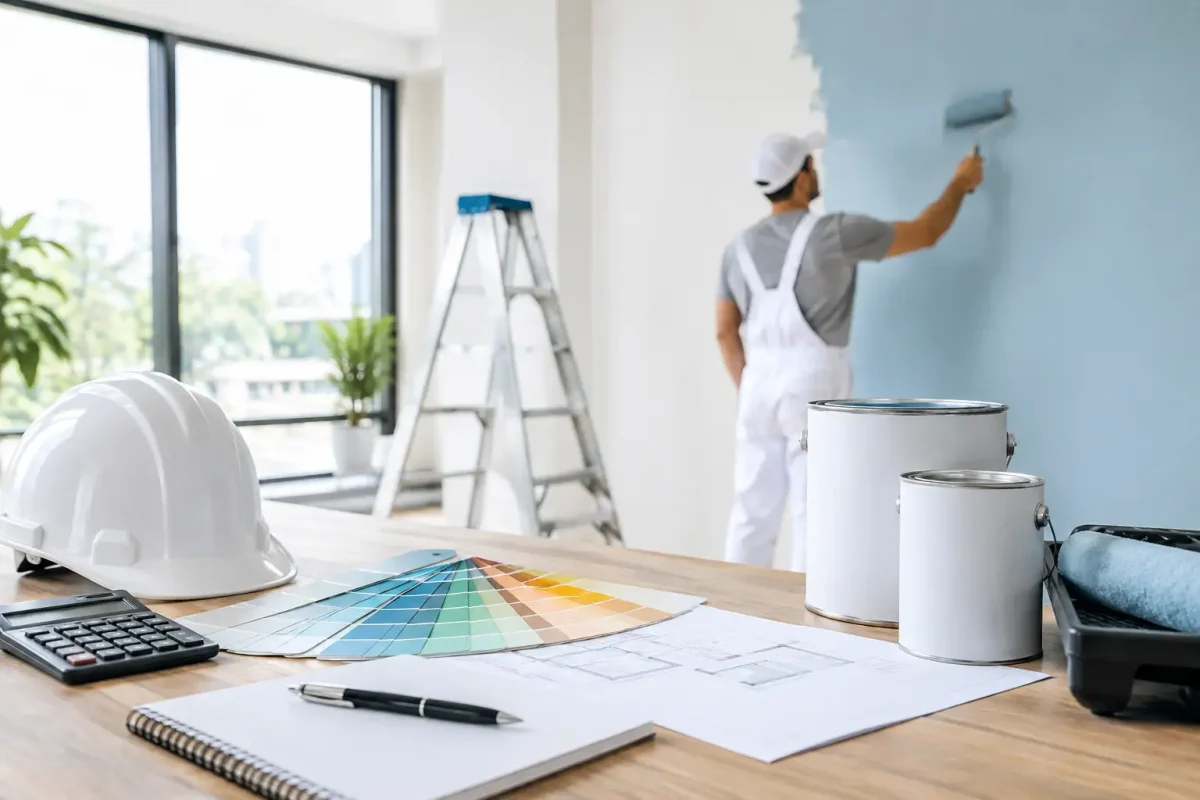
A wall can look tired long before it is technically failing. In a reception area, tenancy, strata common area or family home, scuffs, fading and patch repairs quickly affect how the whole property is perceived. Knowing when walls should be repainted helps you protect presentation standards, avoid larger repair costs and plan the work around normal operations.
The right timing is not based on a fixed calendar alone. Paint life depends on traffic, moisture, sunlight, surface preparation and the quality of the previous coating system. A busy commercial corridor may need attention far sooner than a low-use office, while an exterior wall exposed to Perth weather needs a different maintenance plan again.
When should walls be repainted?
As a practical guide, interior walls in well-maintained, low-traffic areas may last five to seven years before repainting is needed. High-traffic spaces such as foyers, stairwells, schools, healthcare settings, retail premises and rental properties often need repainting every two to four years. Exterior walls commonly require review every five to ten years, although exposed elevations, coastal locations and older buildings can require earlier work.
These ranges are useful for budgeting, but the condition of the wall matters more than its age. Repainting should be scheduled when the coating no longer protects the substrate, cleaning no longer restores its appearance, or the property’s presentation is falling below the standard expected by occupants, customers or prospective tenants.
The appearance is no longer recoverable
Light marks can often be cleaned. Once cleaning leaves uneven patches, dull areas or a visibly different sheen, repainting is usually the better option. This is common around light switches, door frames, lift lobbies and corridors where repeated contact gradually burnishes the paint film.
Persistent stains are another clear sign. Water marks, grease, nicotine residue, ink, food splashes and old adhesive can bleed through a new topcoat if they are not sealed properly. A professional repaint should deal with the cause, prepare the affected area and apply the appropriate primer before finishing coats are applied.
Fading also matters, particularly near windows and on exterior elevations. Sunlight can change colour unevenly, so touching up one section may make the surrounding wall look worse. Where colour consistency is important, repainting the full wall or elevation normally produces the cleaner result.
The paint is showing physical failure
Peeling, flaking, blistering and cracking are not simply cosmetic issues. They can indicate moisture behind the coating, poor adhesion, incompatible previous paint layers or movement in the substrate. Painting straight over these faults may hide them briefly, but the new finish is likely to fail with the old one.
Look closely at corners, window reveals, bathroom walls, ceilings below wet areas and exterior joints. Fine hairline cracks may need filling and repainting, while recurring cracks can point to movement or a broader building issue. Blisters and peeling near plumbing, gutters or rooflines should prompt an investigation before any decorating work begins.
Mould or mildew also calls for more than a coat of paint. The area needs to be cleaned and treated, but the source of condensation, poor ventilation or water ingress must be addressed. In this situation, repainting is part of the solution, not the entire solution.
High-use areas need a planned repaint cycle
For commercial and strata properties, waiting until every surface looks worn can create unnecessary disruption. A planned programme allows painting to be completed in stages, with colours and finishes kept consistent across the site. It also prevents minor defects becoming a visible maintenance backlog.
Reception areas, meeting rooms, tenancy fit-outs and customer-facing spaces deserve particular attention. These walls support the first impression of the business. In flats and managed complexes, common areas such as entry halls, bin rooms and stairwells tend to receive frequent contact and may benefit from durable, washable coating systems rather than frequent low-cost touch-ups.
There is a balance to strike. Repainting too early can waste a serviceable coating, but delaying the work can make a site appear neglected and increase preparation costs. A condition review each year is often enough to identify which areas need immediate work and which can remain on the next maintenance cycle.
Exterior walls should be assessed before they fail
Exterior paint has a harder job than interior paint. It must cope with UV exposure, rain, windblown dirt, temperature changes and, in some Western Australian locations, salt in the air. The sun-facing side of a building often deteriorates first, while shaded areas may hold moisture and develop mould.
Early warning signs include chalking, where a powdery residue comes away on your hand; fading; cracked caulking; rust staining; exposed render; and timber that is splitting or losing its protective coating. These issues should be dealt with before bare substrate is exposed for long periods. Once water reaches timber, masonry cracks or corroding metal, the scope can move from repainting into repairs.
Preparation determines how long exterior work will last. That can include pressure cleaning where suitable, removing failed paint, treating rust, repairing render, replacing damaged sealant and priming bare surfaces. The right coating is then selected for the material and exposure level, rather than simply matching the previous colour.
Repaint after repairs, not before them
Many repainting jobs follow other maintenance work. Plaster repairs, electrical alterations, carpentry, plumbing leaks and tile repairs can all leave surfaces marked, patched or uneven. Completing the repair first avoids damaging a fresh finish and reduces the need for repeated attendance.
This is particularly useful for property managers handling a number of outstanding issues. Instead of arranging separate trades, then trying to coordinate painters around them, a multi-trade contractor can sequence the work and provide a single point of contact. The painting is completed once the wall is dry, sound and ready to receive the finish.
For occupied sites, coordination also protects normal operations. Work can be programmed outside peak hours, staged by floor or room, and isolated from customers, staff and residents where practical. The aim is not just a good-looking wall, but a well-managed job with minimal interruption.
Changes in use can bring repainting forward
A wall may be in acceptable condition but still need repainting because the space has changed. A new tenant, rebrand, refurbishment, sale campaign or handover can require an updated colour scheme and a clean, consistent finish. In these cases, repainting is an investment in presentation rather than a response to coating failure.
Colour and sheen should suit the space. Matt finishes can soften minor wall imperfections but may be less forgiving in high-contact areas. Washable low-sheen or satin systems can be a practical choice for corridors and workspaces, while specialist coatings may be appropriate for kitchens, plant rooms, healthcare environments or areas requiring extra durability.
If only one room is being refreshed, test the selected colour against adjacent surfaces. Existing paint changes over time, and a colour that once matched may now show a noticeable contrast. A full-wall repaint, rather than a small patch, is often the most professional result.
How to decide whether to touch up or repaint
Touch-ups work best when the original paint is known, the colour is still accurate and the damage is localised. They are useful after a minor repair or isolated scuff in a low-visibility area. On older walls, however, touch-ups often flash under different lighting because the original coating has faded or changed sheen.
A full repaint is generally the better choice where there are multiple repairs, broad staining, uneven colour, widespread scuffs or visible coating breakdown. It costs more at the outset, but it delivers a uniform finish and can reduce ongoing call-outs for piecemeal patches.
Before approving either option, assess the wall in natural and artificial light. A surface that looks acceptable during the day may reveal marks, patchiness or poor repairs once the building lighting is on.
Plan the work before the wall becomes a problem
The best time to repaint is usually before deterioration becomes obvious to everyone using the property. Keep a simple record of previous painting, colours, products and repaired areas. During routine inspections, note moisture marks, cracking, impact damage and surfaces that no longer clean up well.
For larger sites, a professional condition assessment can help prioritise work by risk, visibility and budget. WADECO can coordinate painting alongside plastering, carpentry and other repair trades, helping property stakeholders complete the required work in the right order without managing multiple contractors.
A well-timed repaint protects more than the wall itself. It keeps the property looking cared for, supports tenant and customer confidence, and gives you the opportunity to fix small defects while they are still straightforward to manage.